Thank you very much for presenting "Leader as an Effective Communicator." . . . Performing six times in two days is very difficult, yet you did it. In fact, it was noted that the sixth session was one of the liveliest!


Dianna Booher
50 books, in 62 foreign editions (Penguin Random House, HarperCollins, Simon & Schuster, McGraw-Hill)
Profile Links
Fee Range
$15,000Travels From
Dallas / Fort Worth, Texas, United States
Dianna Booher
Biography
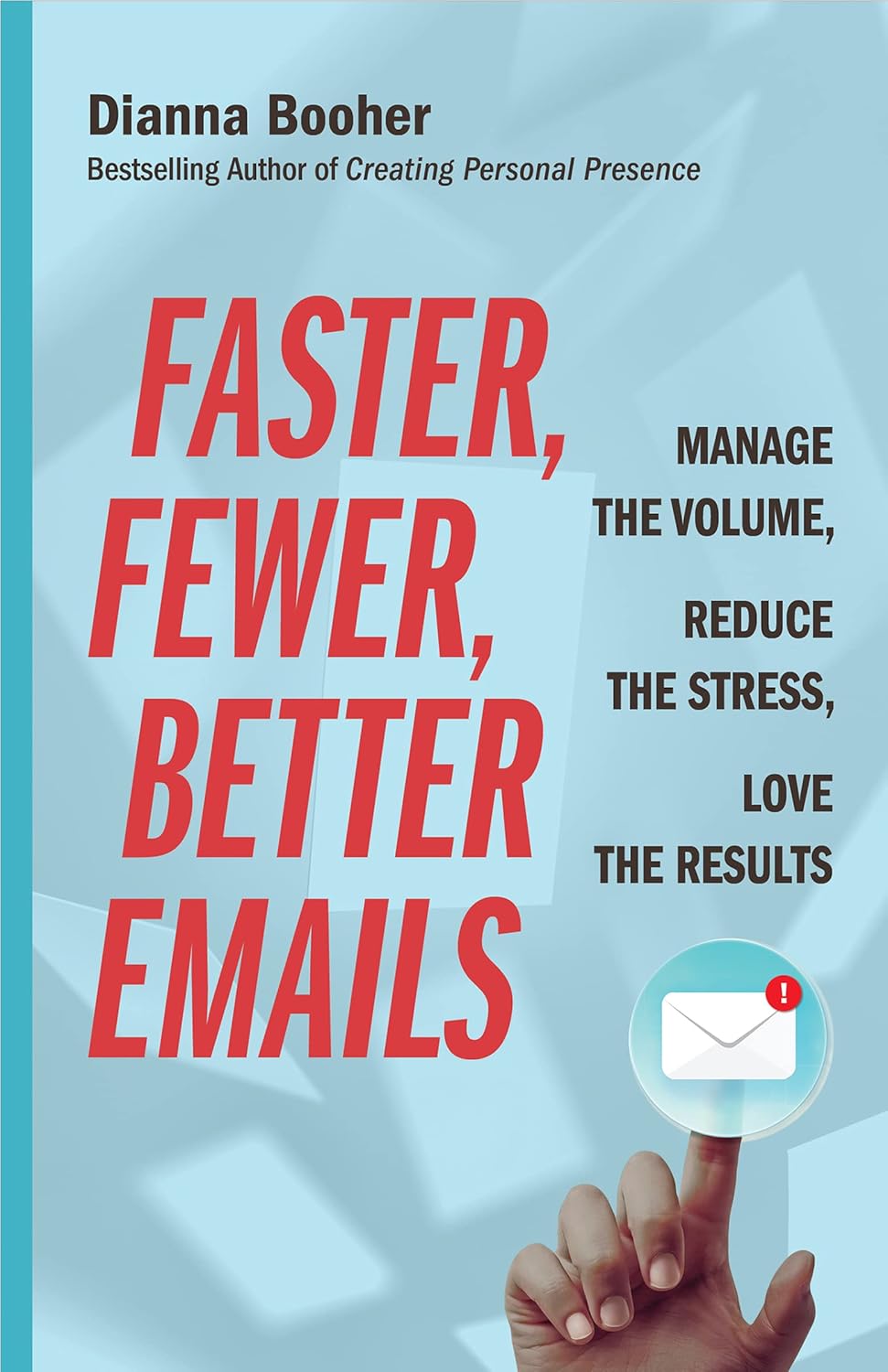
Dianna Booher helps organizations to improve productivity through effective communication: oral, written, interpersonal, and organizational. Prolific Author: As author of more than 40 books, Dianna has published with Simon & Schuster/Pocket Books, Warner, McGraw-Hill, and Random House. Her latest books include Creating Personal Presence: Look, Talk, Think, and Act Like a Leader; The Voice of Authority: 10 Communication Strategies Every Leader Needs to Know; Booher's Rules of Business Grammar: 101 Fast and Easy Ways to Correct the Most Common Errors; Speak with Confidence!: Powerful Presentations That Inform, Inspire, and Persuade; E-WRITING: 21st-Century Tools for Effective Communication; Communicate with Confidence!; From Contact to Contract; and Get a Life Without Sacrificing Your Career. Several have been major book club selections. Recognized Communication Expert: Dianna has been interviewed by Good Morning America, The Wall Street Journal, Forbes, Investor's Business Daily, Fox, CNN, CNBC, USA Today, National Public Radio, Dr. Laura Radio Show, The New York Times, Washington Post, New York Newsday, Los Angeles Times, Chicago Tribune, Bloomberg, Boardroom Reports, Working Woman, Industry Week, McCall's, Cosmopolitan, Success, Entrepreneur, among other national radio, TV, and newspapers. Executive Excellence Publishing named her as one of the "Top 100 Thought Leaders" and one of the "Top 100 Minds on Personal Development." She holds a master's degree in English from the University of Houston. Consultant and CEO: Dianna first began to lead organizations to increase their productivity through effective communication in 1980 as founder of Booher Consultants. Since then, Booher trainers have taken Dianna's communication principles and techniques to hundreds of organizations on six continents. Programs offered by her firm include business and technical writing, proposal writing, presentation skills, customer service communication, interpersonal skills, resolving conflict, effective meetings, listening, and personal productivity. Booher Consultants has received vendor-of-the-year awards from clients such as IBM and Frito-Lay for Booher's overall impact on the organization. Dynamic Keynoter: Dianna's clients most often describe her and her programs this way: "So many practical ideas I can use immediately" "Inspiring--you make me want to go out and do it now!" "High energy!" Dianna delivers very focused programs addressing clients' specific communication issues as well as programs on personal growth topics. Dianna has received the highest awards in the professional speaking industry, including induction into the CPAE Speaker Hall of Fame . Additionally, Successful Meetings magazine named Dianna on its list of "21 Top Speakers for the 21st Century." Clients: Her clients include IBM, BP, Chevron, MCI, Hyatt Corporation, Nokia, Verizon, Hewlett-Packard, Texas Instruments, Siemens, Fujitsu, American Airlines, Boeing, Sabre, ExxonMobil, Occidental Petroleum, Merrill Lynch, Bank of America, JPMorgan Chase, Smith Barney, Shell Oil, Principal Financial Group, Northwestern Mutual, Deloitte & Touche, Federal Reserve Banks, JCPenney, Wal-Mart, Hallmark, PepsiCo, Frito-Lay, M.D. Anderson Cancer Center, GlaxoSmithKline, Bristol Myers Squibb, Alcatel-Lucent, Air National Guard, Lockheed Martin, Boeing, Bell Helicopter, Air Liquide, U.S. Senate, and NASA, among many others.
Dianna Booher
Featured Keynote Programs
Communicate With Confidence®
Dianna will share practical techniques for improving the quality of business and personal communications. This presentation will make audiences aware of how poor communication confuses people, creates stress, and destroys relationships at work and at home. Audiences will leave with specific techniques for communicating clearly, concisely, and credibly.
Audiences will learn to—
—Think on their feet
—Organize ideas for greatest impact and clarity
—Frame the positive approach when delivering bad news
—Apologize without groveling or grit
—Verify assumptions
—Distinguish between statements, questions, and objections
—Build rapport with colleagues and customers
—Listen until they really hear
—Criticize without crippling
—Clarify direction and instructions to others
Supplementary Materials to Reinforce Learning:
Book: Communicate With Confidence: How to Say It Right the First Time and Every Time (Revised and Expanded Edition, McGraw-Hill)
Creating Executive Presence
Thinking on Your Feet in the C-Suite
How do you handle someone who continually upstages you in a formal presentation setting? How do you respond to someone citing statistics and data with which you’re unfamiliar? How do you react when your boss or client changes the course of your discussion in midstream? Adding “the finishing touches” will help you be yourself in front of a group of 3 or 300. You’ll learn to think on your feet, handle tough questions and situations, facilitate discussion among strong personalities, and build rapport with the group—whatever its size.
Audiences will learn to—
—Identify characteristics of executive presence
—Use a four-part model to think on your feet and build credibility during informal meetings and formal presentations
—Respond to 10 difficult question types with poise, credibility,
and authority
—Use gestures, space, and movement for highest impact
—Ensure that nonverbal communication supports rather than sabotages the message
Supplementary Materials to Reinforce Learning—
Books:
—Creating Personal Presence: Look, Talk, Think, and Act Like A Leader (Berrett-Koehler)
—Speak With Confidence: Powerful Presentations That Inform, Inspire, and Persuade (McGraw-Hill)
Promote Your Career, Practice, or Product by Publishing a Book
Dianna Booher
Featured Books
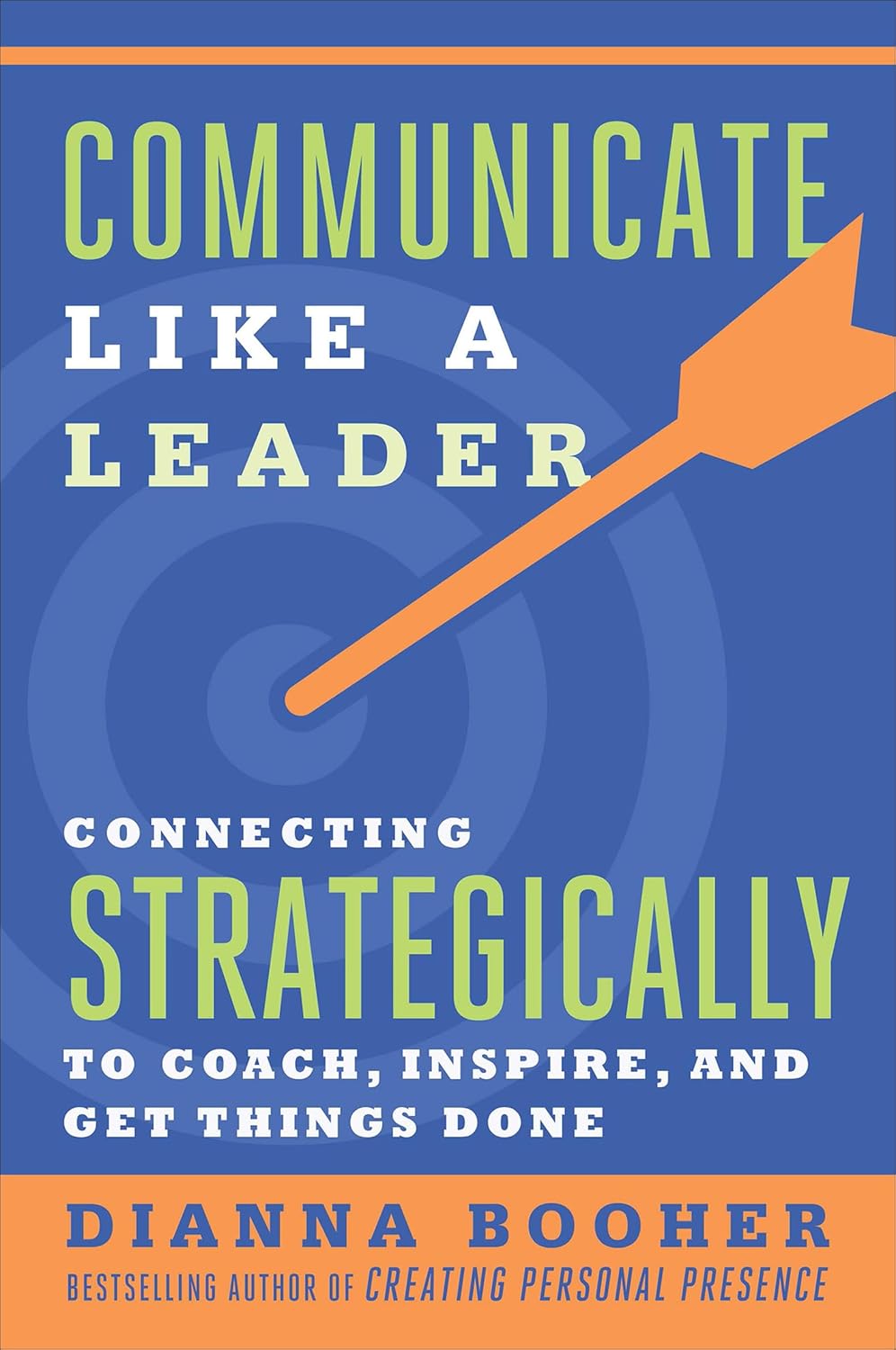
Communicate Like a Leader: Connecting Strategically to Coach, Inspire, and Get Things Done
by Dianna Booher
"Great leaders are great communicators…If you want to become a top-notch strategic communicator, you'd do well to heed the advice in [this book's] pages." —Marshall Goldsmith, New York Times-bestselling author of What Got You Here Won't Get You There
An Axiom Awards Silver Medal Winner
People often get promoted to leadership positions without knowing how to communicate an inspiring strategic vision to the people who report to them. So they focus on what they know: tactics, not strategy. As a result, they become stuck in micromanagement mode—driving people away instead of drawing them in.
Dianna Booher wants to prevent micromanagement before it happens by providing you with the right leadership communication skills. Grounded in extensive research, this book offers practical guidelines to help professionals think, coach, converse, speak, write, meet, and negotiate strategically to deliver results. In thirty-six brief chapters, Booher shows you how to communicate effectively to audiences up and down the organization so you can fulfill your most essential responsibilities as a leader.
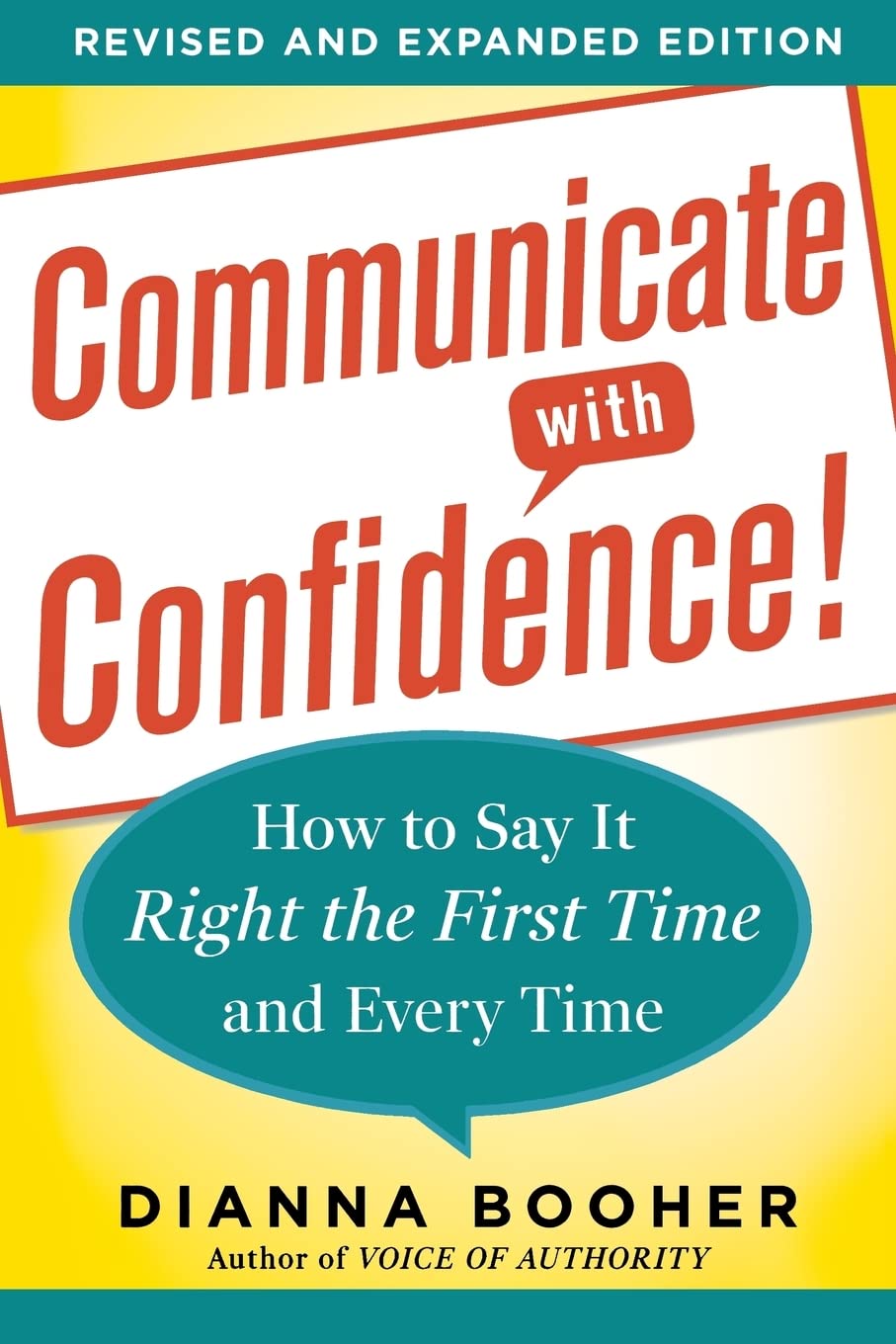
Communicate with Confidence, Revised and Expanded Edition: How to Say it Right the First Time and Every Time
by Dianna Booher
The classic business communication guide―updated for smart phones, social media, and other digital platforms
Communicate clearly, tactfully, and confidently in any situation, including:
- Being persuasive
- Running productive meetings
- Asking the right questions
- Coaching
- Negotiating
- Resolving conflicts
- Responding to insults
- Offering praise
- Delegating responsibilities
- Crossing cultural divides
- Networking at events
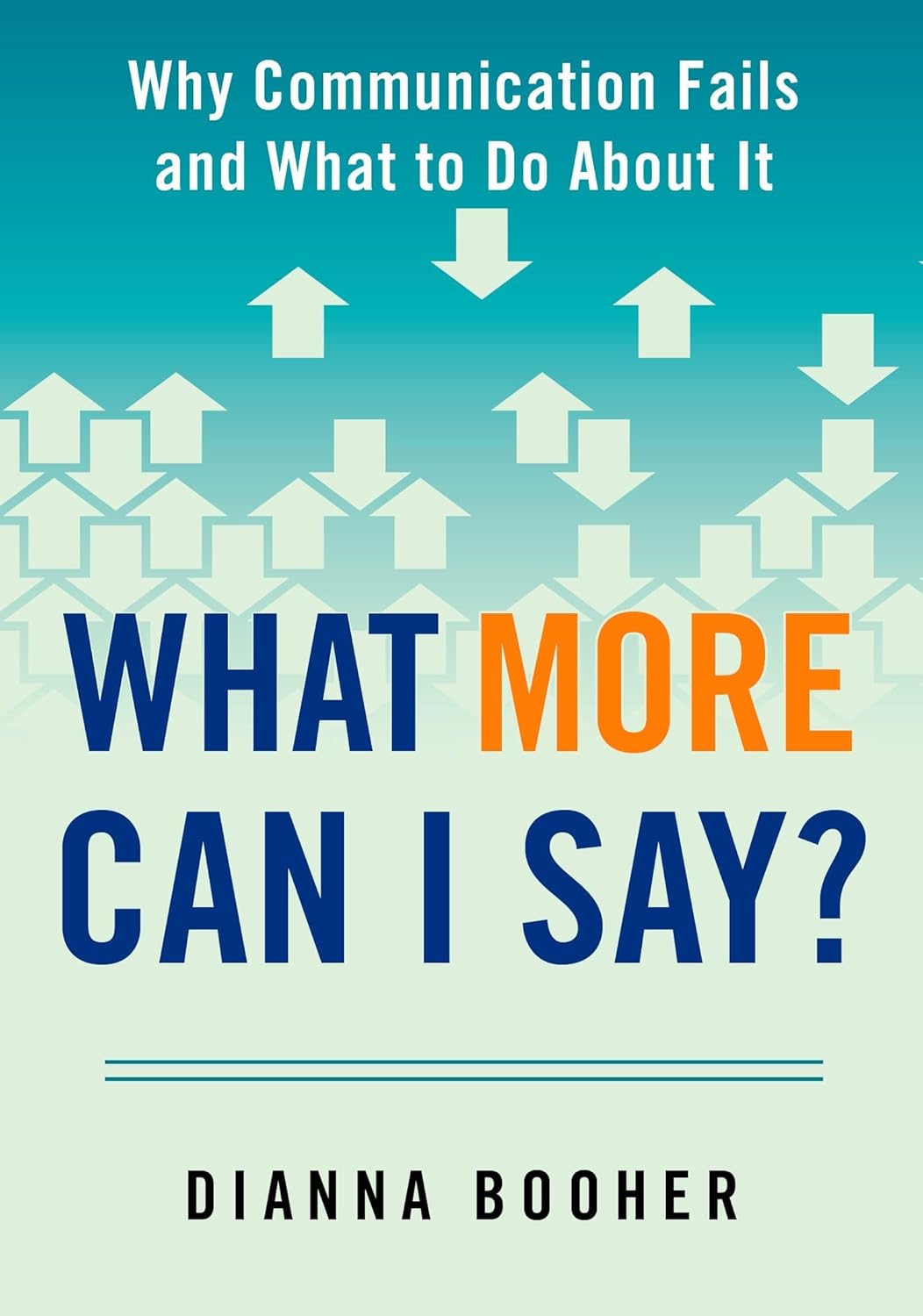
What More Can I Say?: Why Communication Fails and What to Do About It Communications expert Dianna Booher provides an essential nine-point checklist f
by Dianna Booher
Communications expert Dianna Booher provides an essential nine-point checklist for success in the art of communication and persuasion—for building solid relationships, and for increasing credibility in the workplace. With lessons from politics, pop culture, business, family life, and current events, the book identifies common reasons that communicators fail to accomplish their goals, along with examples and analyses of messages that succeed and those that fail.
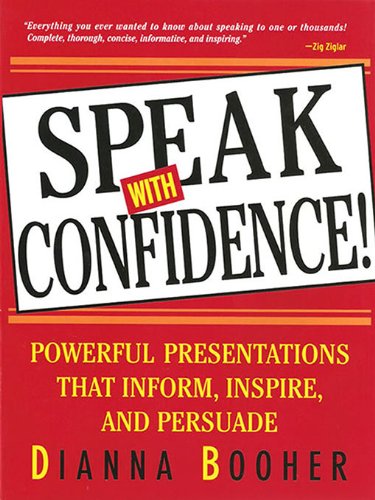
Speak with Confidence! : Powerful Presentations That Inform Inspire, Inform, and Persuade
by Dianna Booher
Every presentation you make—whether to 6 or 6,000—is an opportunity to advance your ideas and your career!
Speak with Confidence! gives you the tools and techniques you need to make the most of that public speaking opportunity or that business presentation. You will learn how to:
- Establish rapport with any audience
- Present with passion and persuasion
- Organize your ideas for maximum impact
- Plan your presentation structure quickly
- Add anecdotes to improve retention
- Tell great stories to engage listeners and drive home your point memorably
- Use vocal variety
- Think on your feet to handle tough question-and-answer sessions with credibility
- Use visuals to support rather than sabotage your message
- Perfect your presentation with the "finishing touches" that keep your audiences engaged from start to finish.
Communication guru and internationally recognized speaking coach Dianna Booher delivers hundreds of powerful, battle-tested strategies and presentation tips guaranteed to transform even the most fainthearted professional into a riveting public speaker or business presenter.
Dianna has earned the highest distinction in the professional speaking industry, having been inducted into the prestigious Speaker's Hall of Fame. Successful Meetings magazine has also named her to its list of the "Top 21 Speakers for the 21st Century." In Speak with Confidence!, Dianna shares the ideas and expertise that she has taught at more more than half of the Fortune 500 companies.
The same speaking skills can help you take your career to the next level.

From Contact to Contract: : 432 Proven Sales Tips to Generate More Leads, Close More Deals, Exceed Your Goals, and Make More Money
by Dianna Booher
Are you one of the 16 million Americans working as a sales professional? Are you a small business owner, consultant, doctor, lawyer, or other business professional who must sell your services and promote your credibility to succeed?
If so, you need practical, easy-to-apply information on the art of effective selling and sales communication—whether selling to difficult customers or selling to interested, decisive buyers.
In From Contact to Contract, you’ll learn to master specific steps that help you:
- Structure your sales conversation to keep it moving toward your sales goal
- Use strategic persuasion techniques to turn information into real communication
- Engage buyers with interactive sales presentations of your products and services
- Negotiate to maintain profit margins
- Gain commitments from customers and prospects
- Communicate with difficult buyers
- Manage your pipeline productively
- Generate leads
- Stay motivated during a competitive upsurge or economic downturn
No time to read in your fast-paced sales job? Maybe you have a high quota and a pressing deadline?
Then pick up the book and go straight to the help you need with a specific prospect. You’ll find summary headlines of each key sales tip or communication tip. This easy-to-skim format and brief entries are written with you––a fast-paced sales professional or entrepreneur––in mind. Review the comprehensive collection of 432 tips and best practices without getting bogged down in long explanations of sales theory and models.
Whether selling to big companies and senior executives or selling to the individual buyer, you can apply these practical sales techniques and advice immediately. In fact, watch how From Contact to Contract becomes the sales primer you use again and again.
Author and sales communication expert Dianna Booher shares the same sales and marketing strategies in this book that she offers in person to her Fortune 500 clients. These strategies and selling techniques come directly from her corporate programs on proposal writing, business writing, technical writing, sales presentations, and interpersonal communication.
Dianna Booher
Featured Reviews
Frequently Asked Questions
Quick answers to some of the most common questions about booking Dianna Booher for your event.
How do I book Dianna Booher for my event?
Booking Dianna Booher with Premiere Speakers Bureau is a streamlined 4-step process:
- Availability Check: Contact us with your event date and budget to verify if your desired speaker is available.
- Hold Date: We place a temporary "hold" on the speaker's calendar while you finalize internal approval.
- Contracting: We issue a contract outlining the fee, cancellation policy, and event expectations.
- Logistics: Once signed, our event management team handles all travel booking, itinerary, and AV requirements.
Why should I partner with Premiere Speakers Bureau rather than contacting speakers directly?
Partnering with Premiere Speakers Bureau provides a comprehensive safety net for your event that direct booking cannot match. You get the same speaker for the same price, but with a dedicated team with over 30 years of event experience handling contracts, logistics, and are prepared for any emergency. We know what it takes to run an excellent event.
What makes Premiere Speakers Bureau unique compared to other agencies?
Premiere Speakers Bureau distinguishes itself by having over 30 years of experience while partnering with more than 35,000 events. PSB has also built a streamlined, fully online process that makes booking a speaker, handling travel and payments extremely easy for anyone looking to plan a speaker led event.
How does Premiere Speakers Bureau's 'Zero Cost Service' model work?
Premiere Speakers Bureau operates on a 'Zero Cost Service' model for event planners. Our services—including research, booking, and logistics—are always free to the client. The speaker covers our commission from their standard honorarium as payment for our role in marketing and managing their engagements.
How are speaker fees structured, and what is typically included?
A speaker's fee typically covers the keynote presentation, a pre-event planning call, and standard customization. Travel expenses are usually billed separately.
What are the standard policies for speaker travel and expenses?
Travel expenses are negotiated during contracting. We generally recommend a flat travel fee for simplicity, though we also offer line-by-line invoicing when preferred. PSB ensures these expenses adhere to professional standards, and our Event Portal allows for easy tracking and invoicing.
Dianna Booher's Featured & Related Topics
Find Similar Speakers Bestselling Authors





Popular Speakers

Kim Bearden
Best Selling Author, Co-founder at Ron Clark Academy, and National Teacher Hall of Fame; Organization Culture / Climate and Communication Specialist

Dr. Ben Carson
Former US Secretary of Housing and Urban Development / Conservative Political Thought Leader / Renowned Pediatric Neurosurgeon

Candy Valentino
Founder, investor, WSJ Best-Selling Author and Serial Entrepreneur

Deion Sanders
Pro Football Hall of Famer, Two-Time Super Bowl Champion and Coach
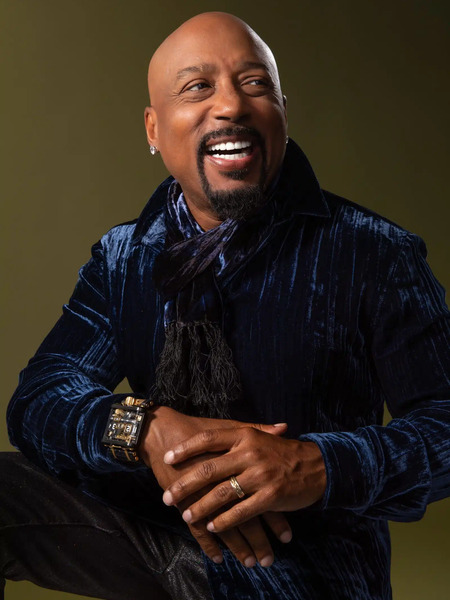
Daymond John
Founder/CEO of FUBU, Presidential Ambassador for Global Entrepreneurship, Star of ABC's Shark Tank and CEO of The Shark Group

Ron Clark
"America's Educator", NYTimes Best Selling Author, Disney's American Teacher of the Year, and Founder of the Ron Clark Academy
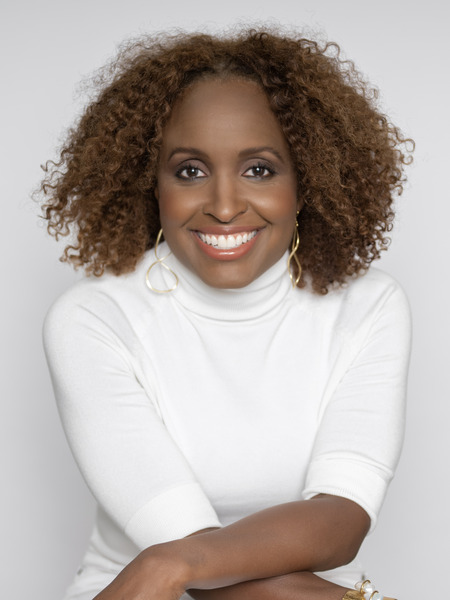
Valorie Burton
Best-Selling Author, President and CEO of The Coaching and Positive Psychology (CaPP) Institute, Personal and Executive Coach and International Speaker

Liz Bohannon
Top 1% VC-Backed Female Founder & CEO and Bestselling Author of Beginner’s Pluck: Build Your Life of Purpose & Impact Now